7 Dog Breeds That Originated in Japan—and Their Fascinating HistoriesLarry Slawson, Parade Pets AI DeskFri, November 20, 2026 at 7:00 PM UTC
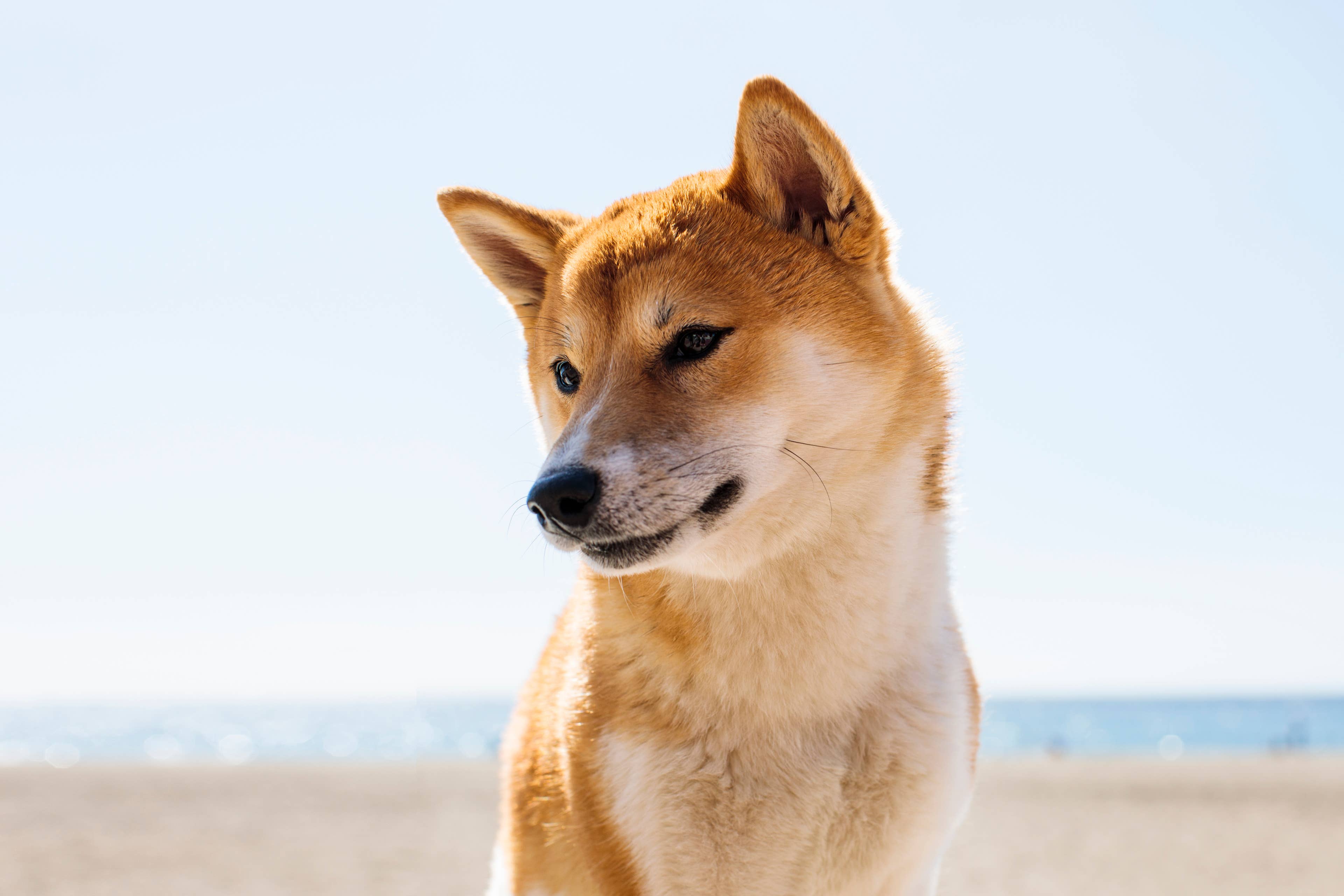
Japan is home to some of the world’s most recognizable dog breeds. From the famously loyal Akita to the foxlike Shiba Inu, these dogs have captured the attention of animal lovers around the world. But there’s much more to their histories than their distinctive appearances.For centuries, dogs played important roles in Japanese society. Some accompanied hunters through remote mountain forests, while others protected their families or enjoyed a very different life in the homes of Japanese nobility.And while several of these breeds have become popular companions today, others remain relatively uncommon outside their home country.According to the Nihon Ken Hozonkai, an organization dedicated to preserving Japan’s native dogs, six traditional breeds are designated as Natural Monuments of Japan. Several other breeds were developed or refined in the country over the centuries.Here are 7 dog breeds from Japan, along with the interesting stories behind their origins.Related: 8 Gorgeous Dog Breeds That Will Leave You Speechless, Say Experts
7 Dog Breeds That Originated in Japan
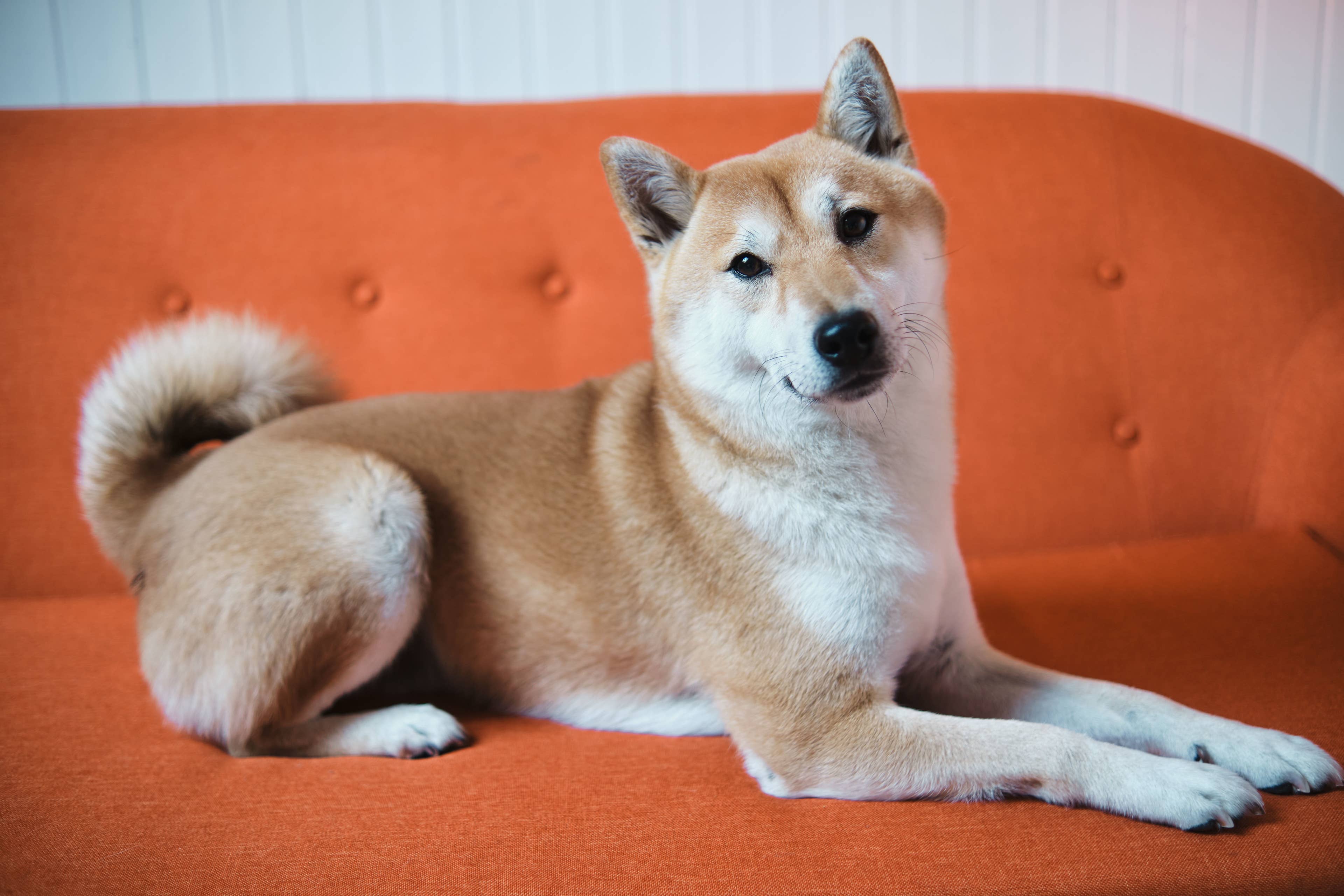
Creative Images Lab / Getty Images1. Shiba Inu
With its pointed ears, curled tail and foxlike appearance, the Shiba Inu is easily one of Japan’s most recognizable dogs. But long before becoming an internet sensation, these small, energetic dogs were skilled hunters.According to the American Kennel Club, Shiba Inus were developed to hunt birds and small game in Japan’s mountainous regions. Their compact size and agility helped them navigate dense vegetation and rugged terrain.Interestingly, the breed’s name may offer a clue to its original purpose. The Japanese word shiba refers to brushwood, although there are several theories about how the name became associated with the dogs.The breed nearly disappeared during the 20th century, particularly because of wartime conditions and a devastating outbreak of canine distemper. Fortunately, dedicated breeders helped restore the population, preserving a dog that has become an important part of Japanese culture.Related: These Are 11 of the Healthiest Dog Breeds, According to Veterinarians
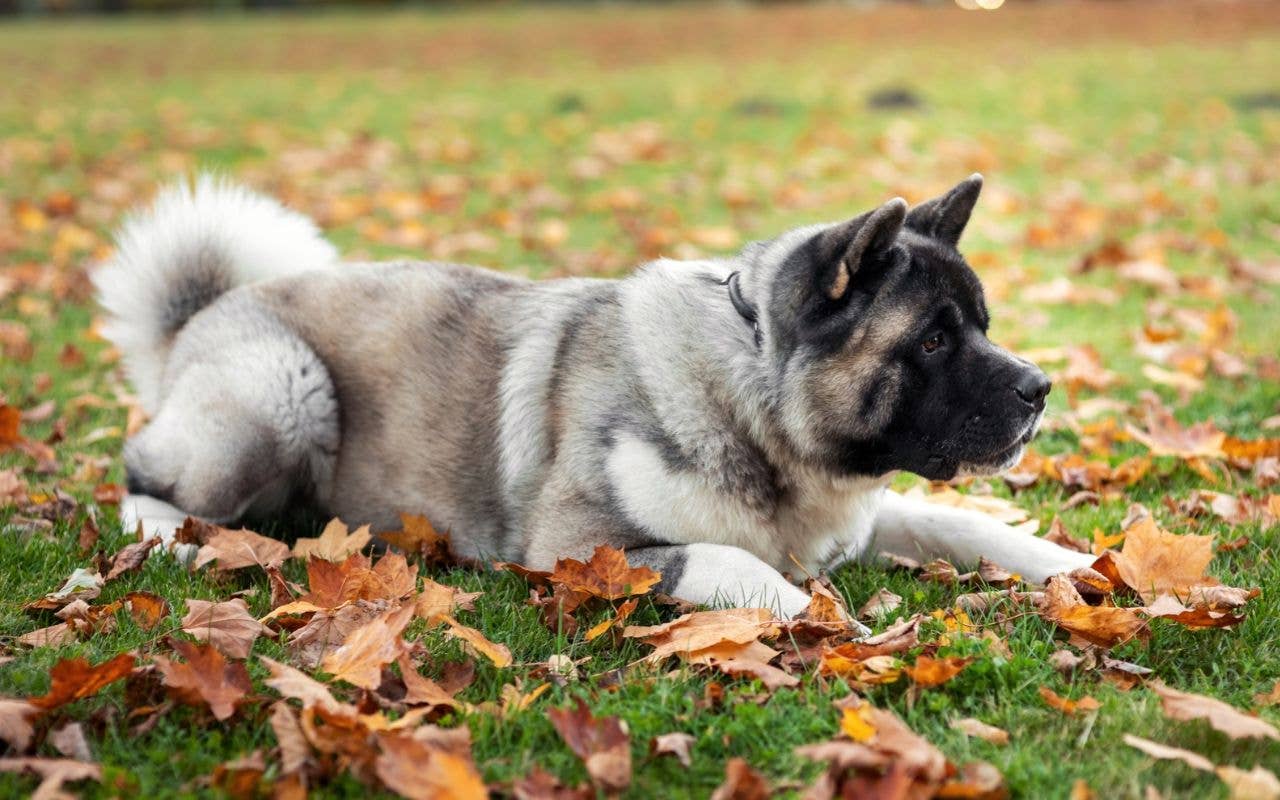
Photo by ires007 from Getty Images/Canva2. Akita
The Akita is best known for its remarkable loyalty, a reputation made famous by the true story of Hachikō, a dog who continued returning to a Tokyo train station after his owner’s death. However, the breed’s history began long before that remarkable display of devotion.According to the AKC’s historical research, Akitas were developed in northern Japan, particularly in the mountainous Akita Prefecture. Their ancestors were powerful hunting dogs used to pursue animals such as wild boar and bears.Over time, the breed became associated with strength, protection and good fortune. Akitas also faced serious challenges during World War II, when food shortages and government policies threatened their survival. A small number of dedicated breeders helped preserve the dogs and rebuild their population afterward.Today, the breed remains an enduring symbol of loyalty in Japan, with Hachikō’s statue outside Tokyo’s Shibuya Station serving as a famous reminder of that connection.
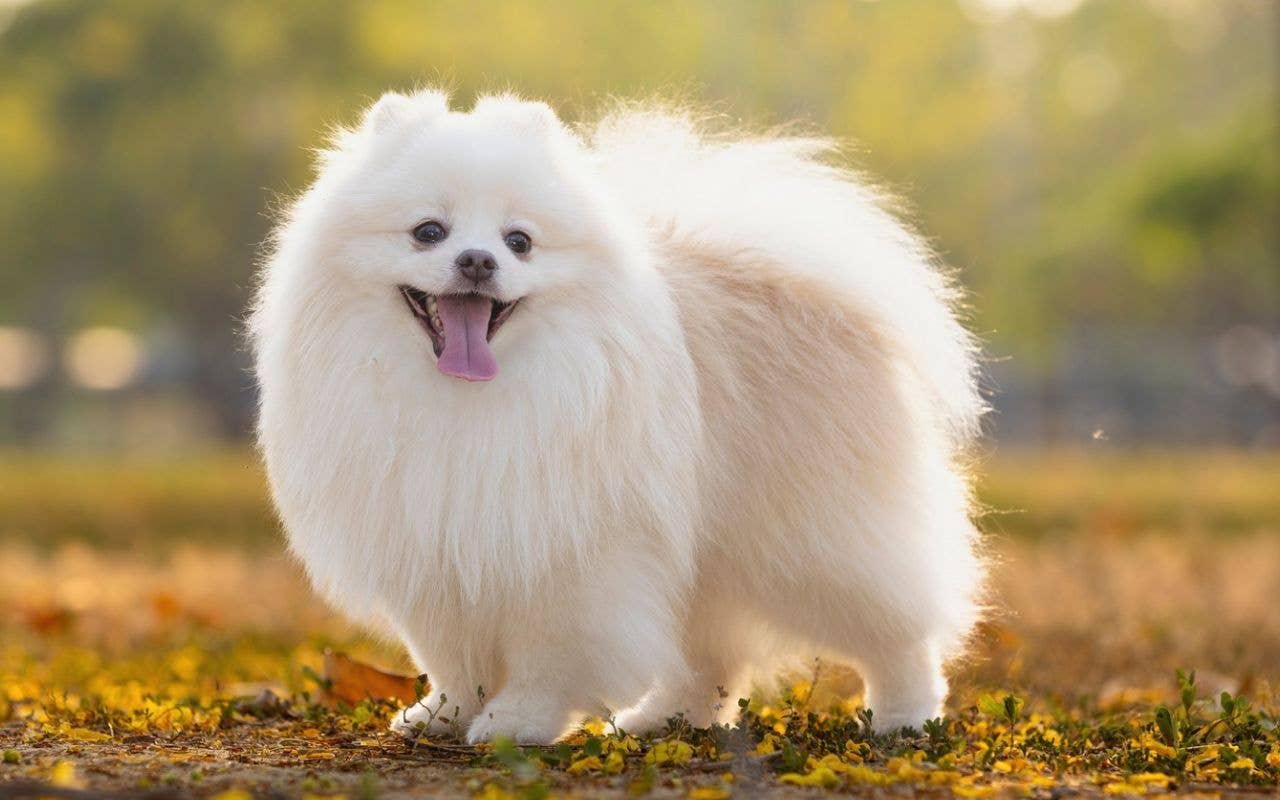
Photo by Thanyapat's Images/Canva3. Japanese Spitz
At first glance, the Japanese Spitz might remind you of a small, fluffy Samoyed. With its bright white coat, pointed ears and cheerful expression, it’s certainly hard to overlook.Unlike some of Japan’s older native breeds, however, the Japanese Spitz has a relatively recent history. According to the AKC, the breed is believed to have descended from white German Spitz dogs brought to Japan around 1920, traveling through Siberia and China.Additional Spitz dogs were imported from other countries during the following years, helping Japanese breeders establish the appearance and characteristics they wanted. The breed was first exhibited at a Tokyo dog show in 1921, and the Japan Kennel Club established a unified breed standard in 1948.Unlike Japan’s traditional hunting dogs, the Japanese Spitz was developed primarily for companionship, a role it continues to fulfill today.Related: 7 of the Prettiest Dog Breeds You’ll Ever Meet, According to Experts
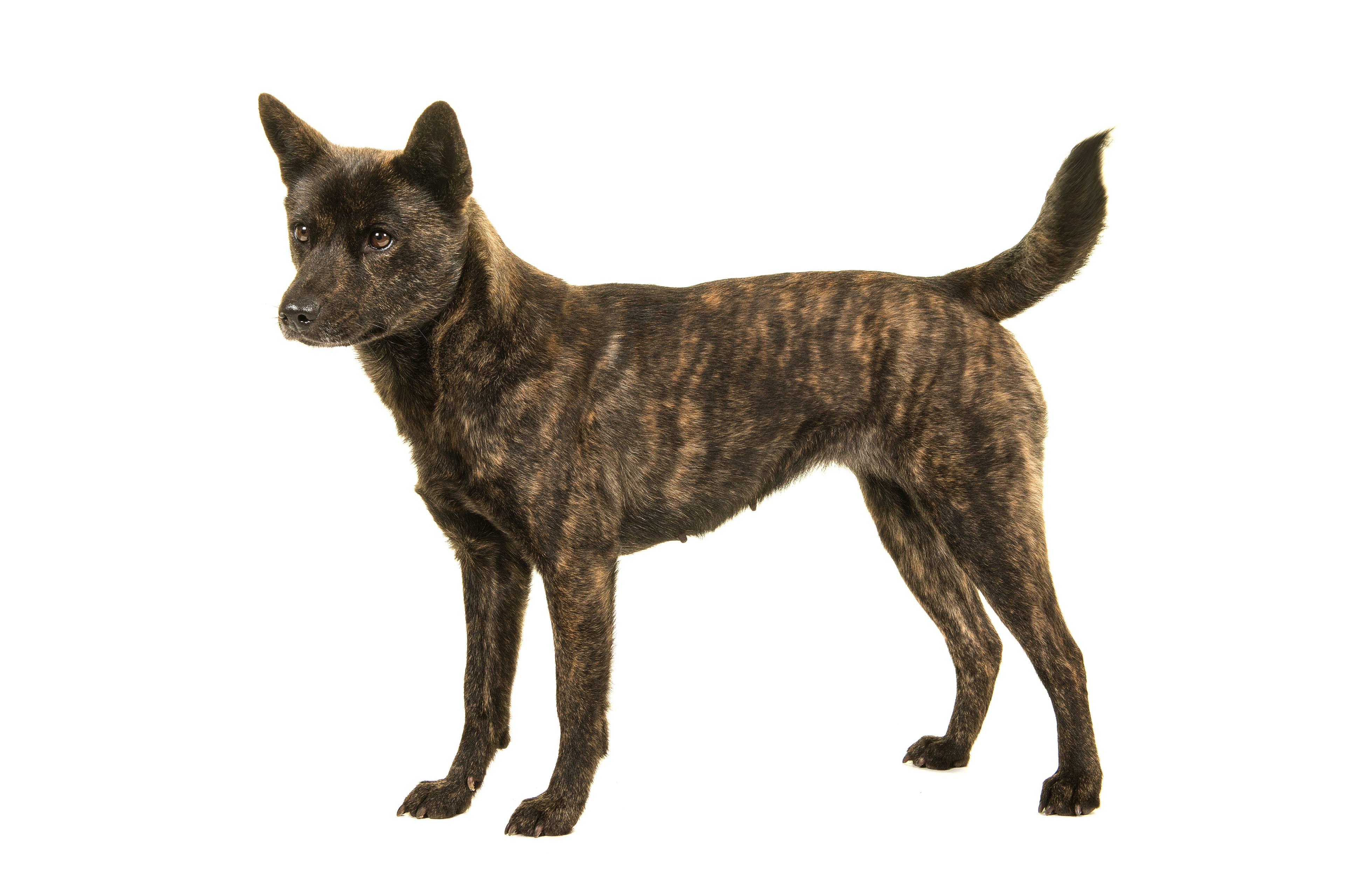
MirasWonderland / Getty Images4. Kai Ken
One of Japan’s lesser-known native breeds, the Kai Ken is particularly recognizable for its beautiful brindle coat. In fact, the dogs are sometimes nicknamed Tora Inu, or “tiger dog,” because of their distinctive striped appearance.According to the AKC, the breed developed in the mountainous Kai region of Japan, near Mount Fuji, where it was used to hunt a variety of animals. Its agility and athleticism made it especially well-suited to navigating steep slopes, dense forests and other challenging environments.The Kai Ken attracted wider attention in 1929, when Japanese dog enthusiasts began documenting the breed. The Kai Ken Aigokai, a preservation organization, was established in 1931.In 1934, the breed received designation as a Natural Monument of Japan. Despite its historical importance, the Kai Ken remains relatively uncommon, even within Japan.
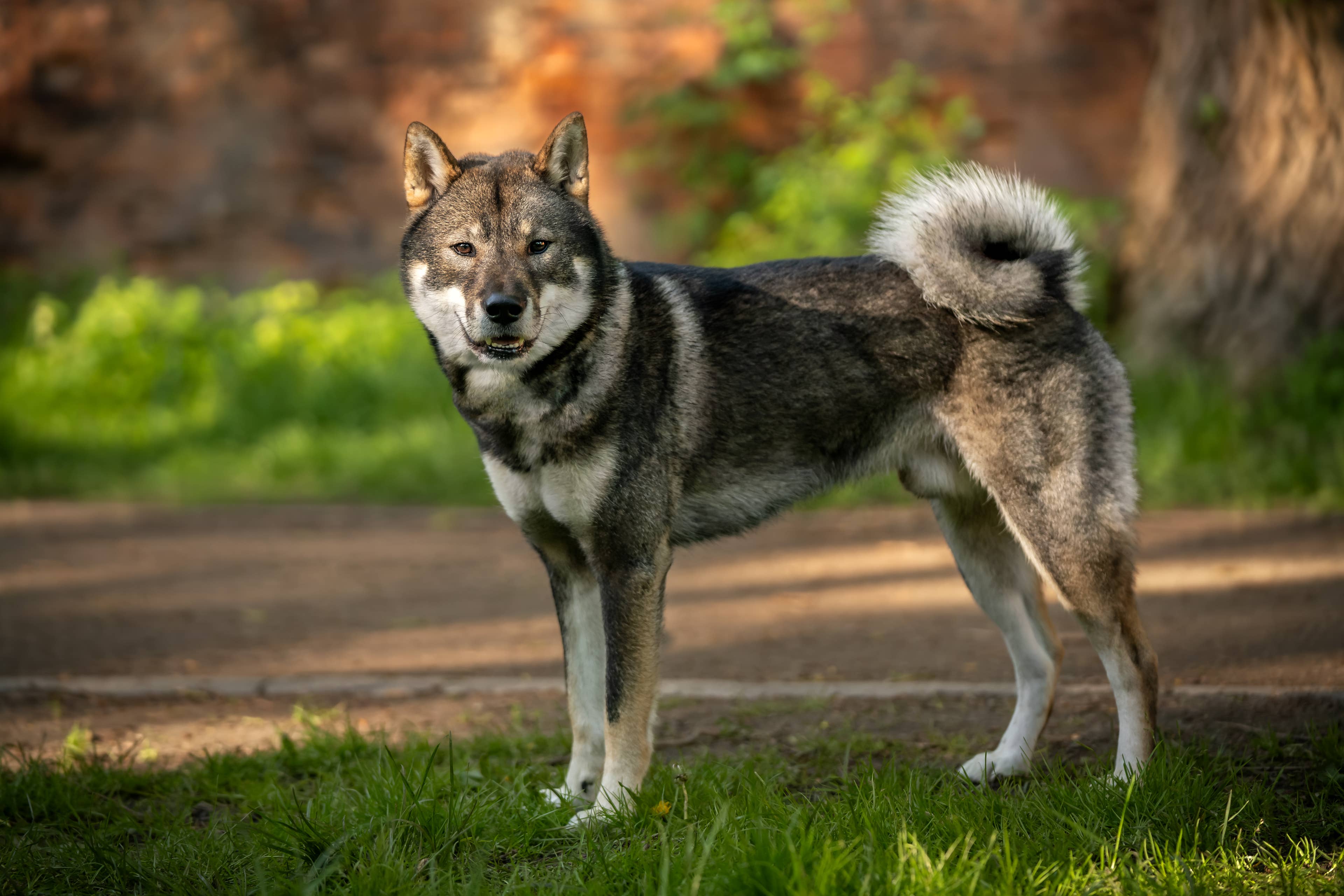
Anita Kot / Getty Images5. Shikoku
Named after one of Japan’s four main islands, the Shikoku has a long history as a capable hunting companion. These medium-sized dogs developed in the mountainous areas of Kochi Prefecture, where hunters relied on their endurance, agility and determination.
According to the AKC, Shikoku dogs were particularly valued for pursuing wild boar across difficult terrain. Historically, three regional varieties developed in the area: Awa, Hongawa and Hata. The relative isolation of the Hongawa region helped preserve characteristics that later became important to the modern breed.
The Shikoku was designated a Natural Monument of Japan in 1937. Although its pointed ears and curled tail may remind some people of a larger Shiba Inu, the Shikoku has its own distinctive history and remains a separate breed.

Photo by Robert Nieznanski from Getty Images/Canva6. Tosa
The Tosa has one of the more unusual histories among Japan’s dog breeds. Unlike the Shiba Inu, which developed primarily as hunting companions, the Tosa was created during the 19th century for organized dog fighting.
According to the AKC, the breed originated in the former Tosa Province, now part of Kochi Prefecture, on the island of Shikoku.
Japanese breeders crossed local dogs with imported European breeds, including Mastiffs and Bulldogs, to develop a larger, more powerful animal. The resulting breed became known for its muscular build, imposing appearance and controlled temperament.
Although the Tosa’s early purpose is an uncomfortable part of its history, the breed later found roles as a guard dog and companion. Today, it remains relatively uncommon outside Japan and is subject to ownership restrictions in some countries because of its historical association with dog fighting.Related: 26 Calm Dog Breeds That Make the Best Couch Potato Companions
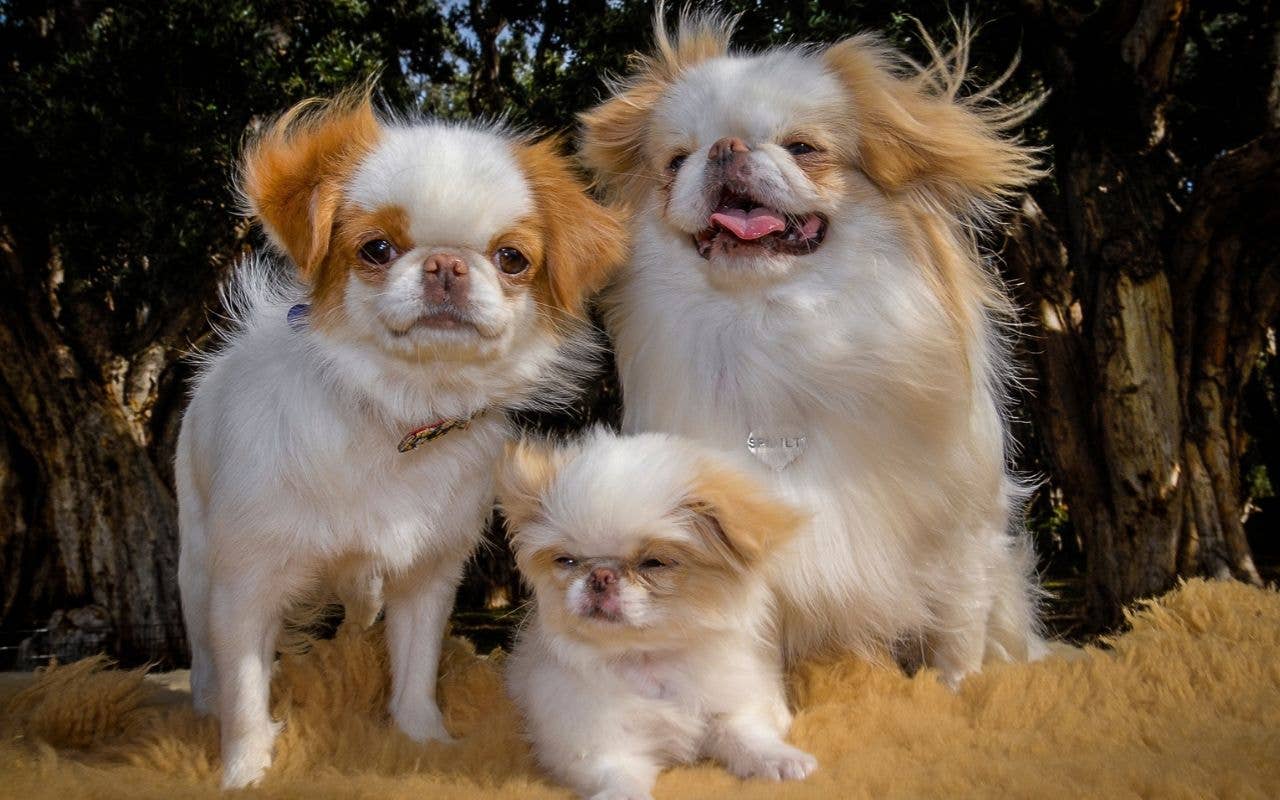
Photo by asiafoto from Getty Images/Canva7. Japanese Chin
The Japanese Chin stands apart from most of the other dogs on this list, both in appearance and in its historical role. Rather than accompanying hunters through mountainous forests, these small, elegant dogs spent centuries enjoying life among Japanese aristocrats.
However, there’s an important detail about their origins: The breed’s earliest ancestors likely came from China or Korea, rather than Japan itself.
According to the AKC’s historical overview, these dogs became prized companions in Japanese noble households, where breeders gradually refined the characteristics associated with the modern Japanese Chin. Their small size, silky coats and distinctive faces made them fashionable companions, particularly among members of the imperial court.
The breed eventually reached Europe and the United States during the 19th century, where it became known as the Japanese Spaniel. In 1977, the American Kennel Club officially changed its name to Japanese Chin.
Although its earliest roots extend beyond Japan, the breed’s development and centuries-long association with Japanese nobility give it an important place in the country’s canine history.
Related: 6 Adorable Dog Breeds Known for Their Patient, Easygoing Temperaments, According to Trainers
This article was drafted with the assistance of AI and thoroughly reviewed, edited and fact-checked by Parade Pets editors. See our complete AI Policy.
This story was originally published by Parade Pets on Nov 20, 2026, where it first appeared in the Dogs section. Add Parade Pets as a Preferred Source by clicking here.
Source: Nature



0 Comments